Invited speakers

The 7th International Congress on Biohydrogels 2026 will feature an exceptional lineup of speakers from across the globe, comprising leading researchers, industry professionals, and visionary experts in the field of biohydrogels, polymeric biomaterials, and functional soft materials. Stay tuned for updates on our distinguished speakers!
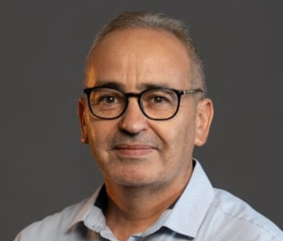
Prof. Abdelkrim El Kadib

Prof. Abdelkrim El Kadib

Professor at Euromed University of Fez

Fez, Morocco
Professor Abdelkrim El Kadib is a Full Professor at the Euromed University of Fez, Morocco, and a corresponding member of the Hassan II Academy of Sciences and Technologies. His research bridges sustainable chemistry and nanomaterials science, focusing on surface-functionalized soft gels and nanostructured materials. Professor Abdelkrim El Kadib earned his PhD thesis in 2004 from LHFA, Université Paul Sabatier de Toulouse, France. He then completed several postdoctoral fellowships in France at the Université de Pau et des Pays de l'Adour, at the Ecole Nationale Supérieure de Chimie de Montpellier, and later at Total Petrochemical in Belgium. He then spent a year at Queen's University in Kingston, Canada, before joining iNANOTECH, part of the MAScIR Foundation in Morocco, as an associate researcher. He is currently a Full Professor at the Euromed University of Fez, Morocco, and a corresponding member of the Hassan II Academy of Sciences and Technologies. The research conducted within his group (NanoMAT) bridges sustainable chemistry and nanomaterials science. Their research focuses primarily on surface-functionalized soft gels, mesoporous and nanostructured materials, as well as nanocomposites, particularly those derived from biomass and biowaste, with the aim of introducing the concept of a circular economy to the field of nanotechnology. NanoMAT designs open porous nanostructures for applications in catalysis, energy storage and conversion, water purification, and as biomedical devices. Professor El Kadib has supervised over 40 highly qualified doctoral, postdoctoral, and master's students. He is the author of 150 publications in high-impact chemistry journals and has also co-filed nearly 20 patents.
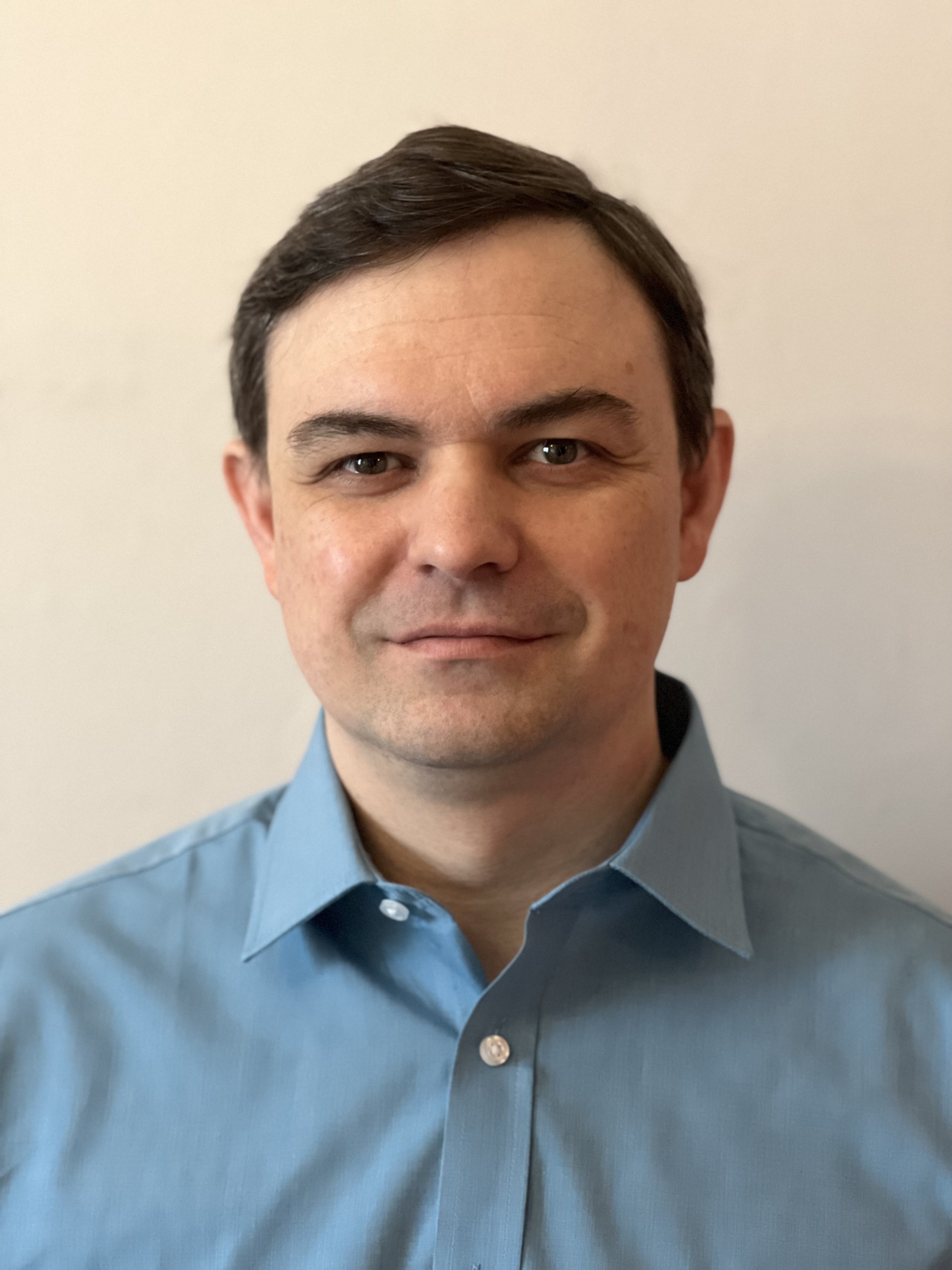
Prof. Vitaliy Khutoryanskiy

Prof. Vitaliy Khutoryanskiy

Professor at Reading School of Pharmacy, University of Reading

Reading, UK
Prof. Vitaliy V. Khutoryanskiy is a Professor of Formulation Science at the University of Reading and a Royal Society Industry Fellow. His research focuses on pharmaceutical materials, including drug delivery systems, hydrogels, and mucoadhesive materials. Prof. Vitaliy V. Khutoryanskiy is a Professor of Formulation Science at the University of Reading, School of Pharmacy, and a Royal Society Industry Fellow. His research focuses on pharmaceutical materials, including drug delivery systems, hydrogels, mucoadhesive materials, nanomaterials, and biomaterials. He is internationally recognized for his pioneering work on interpolymer complexes and transmucosal drug delivery. Prof. Khutoryanskiy has been elected Fellow of the Royal Society of Chemistry (FRSC) and Fellow of the Academy of Pharmaceutical Sciences (FAPS). He has received several prestigious awards for both research excellence and mentorship of early career researchers. He has authored more than 220 scientific publications, with over 16,000 citations. In 2023, he founded and became Director of the PEVITAC Centre at the University of Reading.
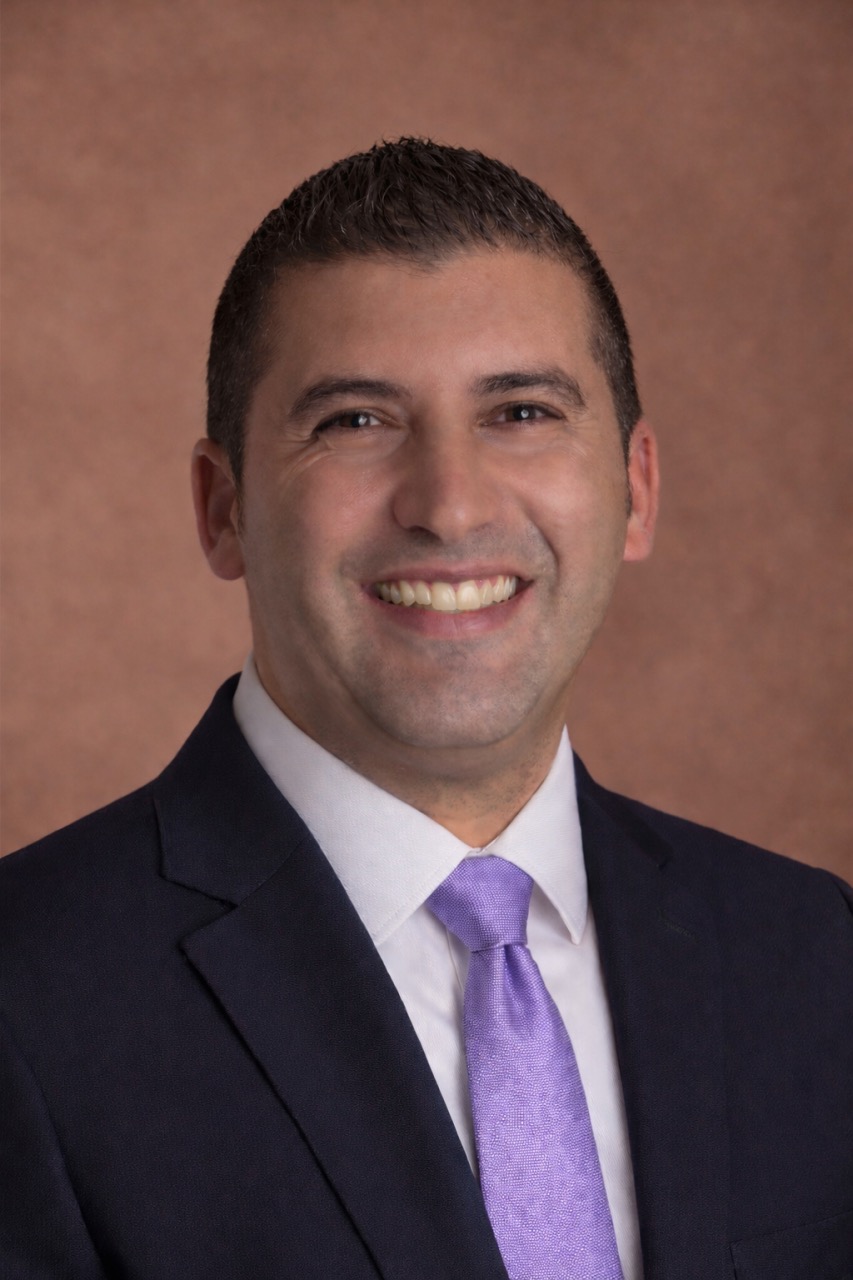
Prof. Adil Akkouch

Prof. Adil Akkouch

Professor at Western Michigan University

Kalamazoo (MI), USA
Dr. Adil Akkouch is an Associate Professor at Western Michigan University Homer Stryker M.D. School of Medicine. His laboratory focuses on 3D bioprinting, biomaterials engineering, and microRNA-based therapeutics for musculoskeletal tissue regeneration. Dr. Adil Akkouch is an Associate Professor at Western Michigan University Homer Stryker M.D. School of Medicine, with appointments in orthopaedic surgery, biomedical engineering, and biological sciences. He obtained his MSc and PhD in Experimental Medicine from Laval University and completed postdoctoral fellowships in additive biomanufacturing and oral health research. Before joining WMed, he served as a Principal Scientist in clean meat research in San Francisco. His laboratory focuses on 3D bioprinting, biomaterials engineering, and microRNA-based therapeutics for musculoskeletal tissue regeneration. His work is supported by government, industry, and institutional funding. Dr. Akkouch has mentored more than 50 trainees across medical and graduate programs. He holds memberships in numerous international professional societies. He also serves as a grant reviewer for the NIH and the U.S. Department of Defense.
Prof. Adil Akkouch

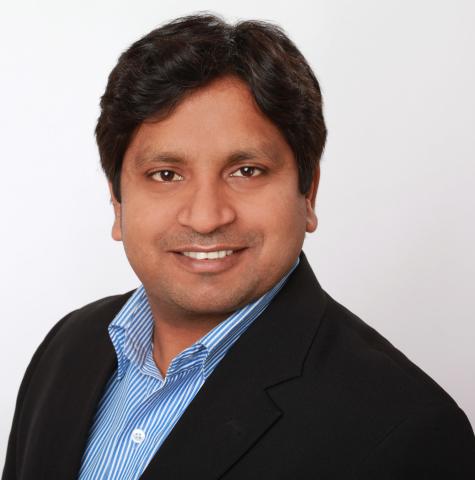
Prof. Yogendra Kumar Mishra

Professor at SDU Sønderborg - University of Southern Denmark

Denmark
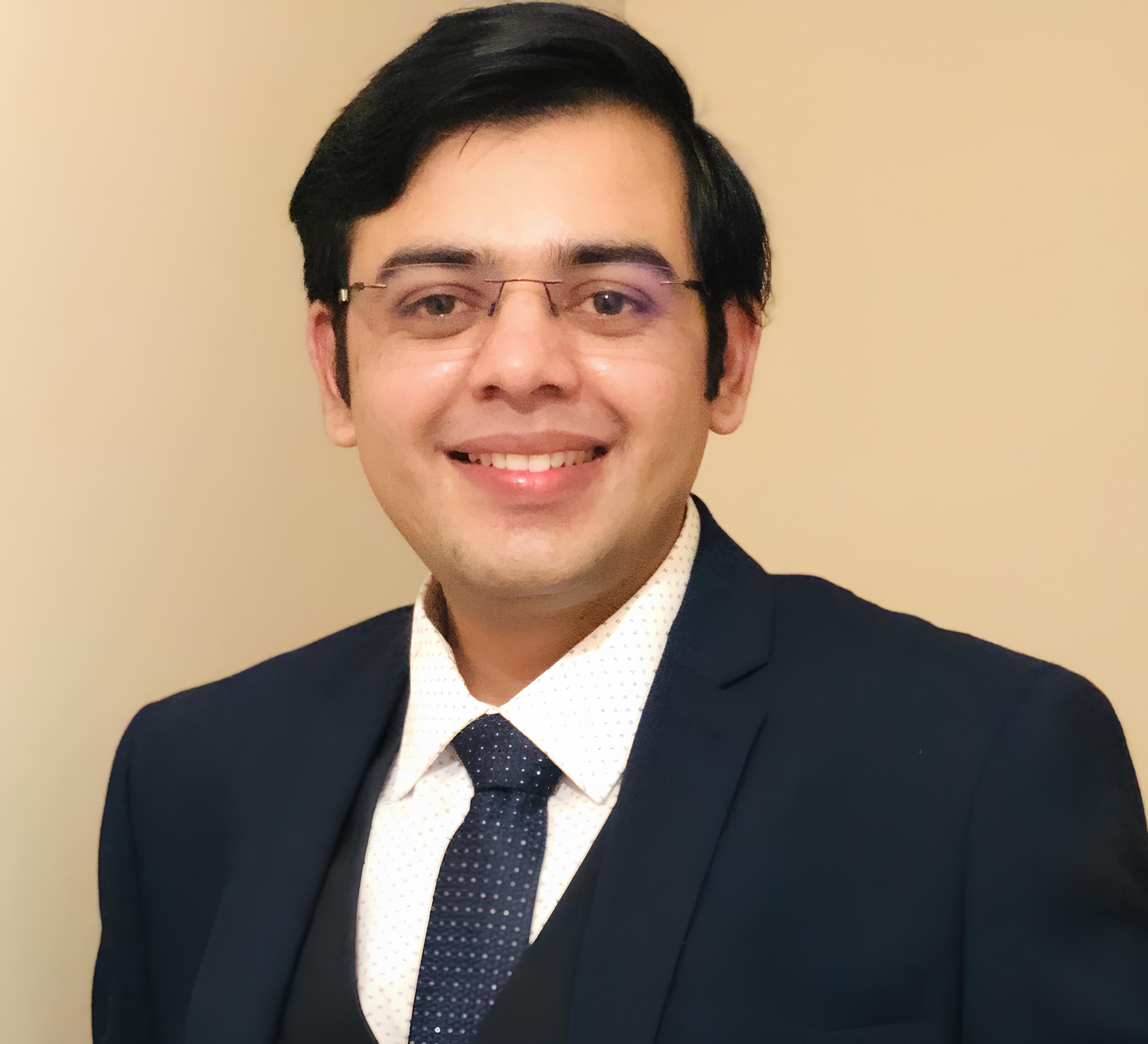
Yogendra Kumar Mishra is full professor at Mads Clausen Institute, NanoSYD, University of Southern Denmark (SDU), Denmark. Prior to SDU, he worked as group leader at Kiel University, Germany. Yogendra Kumar Mishra is full professor at Mads Clausen Institute, NanoSYD, University of Southern Denmark (SDU), Denmark. Prior to SDU, he worked as group leader at Kiel University, Germany. He earned habilitation (Dr. habil.) in Materials Science from Kiel University in 2015 and Ph. D. in Physics in 2008 from Jawaharlal Nehru University (Inter University Accelerator Centre), New Delhi, India. He has introduced a new flame-based synthesis method for growth of tetrapod structures form zinc oxide, and their highly porous 3D interconnected flexible networks. The tetrapods and their 3D networks have demonstrated many applications in engineering, agriculture, and biomedical fields. Additionally, tetrapods can be used as templates to create hybrid and new 3D materials. At SDU Sønderborg, he is heading ‘Smart Materials’ group with the focus to develop new materials for green and sustainable technologies. He is Humboldtian and recently honored with FRSC- Fellow of Royal Society of Chemistry. • Publications > 450, Citations> 28900, H-index: 87• Editorial Board Member/Associate Editor for several high impact for magazines
Prof. Lalitkumar Vora

Prof. Lalitkumar Vora

Professor at School of Pharmacy, Queen's University Belfast

Belfast, UK
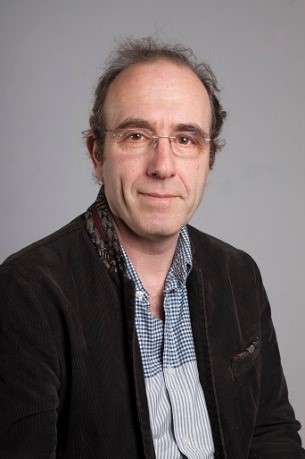
Dr Lalitkumar Vora is a Lecturer in Pharmaceutical Sciences at the School of Pharmacy, Queen’s University Belfast. He has over 15 years of research experience in advanced drug-delivery technologies. Dr Lalitkumar Vora is a Lecturer in Pharmaceutical Sciences at the School of Pharmacy, Queen’s University Belfast. He has over 15 years of research experience in advanced drug-delivery technologies, with particular expertise in long-acting formulations, hydrogel systems, and lipid-based delivery platforms. He has secured ~£1 million in research funding as Co-Investigator. He has authored 200+ peer-reviewed publications, 20+ book chapters, and 150+ conference proceedings, with a current h-index of 61 and over 12,000 citations. Dr Vora has edited two academic books and serves on the Editorial Board of The AAPS Journal. His contributions have been recognized through multiple awards, and he has been listed among the Stanford/Elsevier Top 2% Global Scientists since 2023.
Prof. Pierre Weiss

Prof. Pierre Weiss

Professor at Nantes University, RMeS

Nantes, France
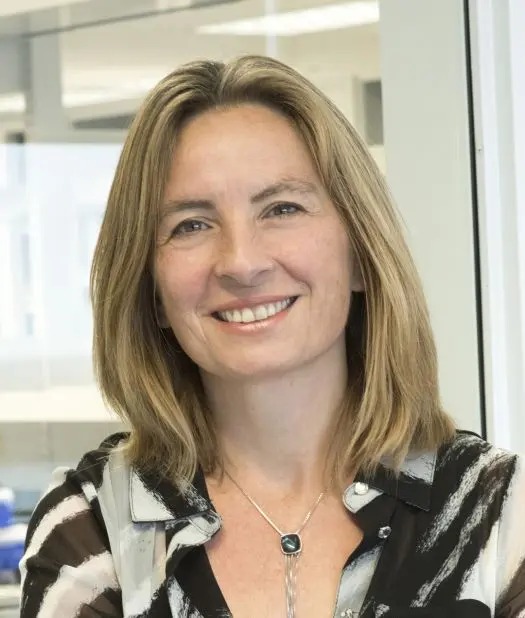
Professor Pierre Weiss is a leading expert in biomaterials and regenerative medicine at the University of Nantes. His research centers on skeletal tissue engineering, hydrogel-based synthetic extracellular matrices, and injectable biomaterials. He is President of the Society for Biohydrogels. Professor Pierre Weiss, PhD, DDS, is a leading expert in biomaterials and regenerative medicine at the University of Nantes, France, within the Department of Dental Surgery and Hospital Dentistry. He obtained his DDS in 1989, followed by an MSc in Biomaterials in 1993 and a PhD in Biomaterials in 1997, all from the University of Nantes. He previously headed the INSERM–Nantes University Unit UMR-S 791 (LIOAD) focused on osteoarticular and dental tissue engineering, and currently leads the REGOS research team within INSERM Unit UMR-S 1229 RMeS (Regenerative Medicine and Skeleton). Professor Weiss's research centers on skeletal tissue engineering, hydrogel-based synthetic extracellular matrices, injectable biomaterials, and bone substitutes. His work emphasizes the chemistry and physicochemical characterization of macromolecular solutions and hydrogels to design biomimetic, injectable systems for cartilage and bone regeneration. His research is structured around two major axes: injectable calcium phosphate–based bone substitutes and self-crosslinking polysaccharide hydrogels for tissue engineering and drug delivery. Since 2015, he has led a translational collaboration with HTL on silanized hyaluronic acid for biomedical applications and remains active in clinical odontology research. He is Scientific Director of the Bioregate regenerative medicine cluster, President of the Society for Biohydrogels, Vice-Dean of the Nantes Dental School, and a member of the University Scientific Council. Professor Weiss has authored over 200 publications, holds 7 patents, and has received more than 6,200 citations (h-index 47).
Prof. Sophie Lerouge

Prof. Sophie Lerouge

Professor at École de Technologie Supérieure (ÉTS)

Montreal (QC), Canada
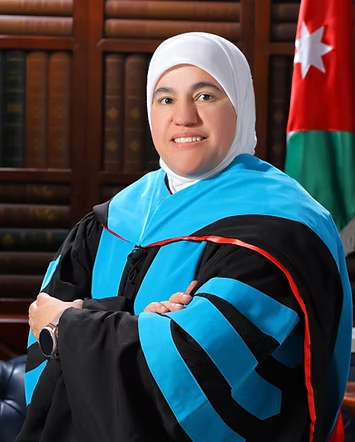
Sophie Lerouge is Professor in biomaterials at École de Technologie Supérieure (ÉTS) and Fellow of the International Union of Societies for Biomaterials Science and Engineering. She directs the Biomaterials and Biofabrication Lab, developing injectable hydrogels for vascular diseases and 3D bioprinting. Sophie Lerouge is Professor in biomaterials at Ecole de technologie supérieure (ÉTS) since 2007, and associate Professor in radiology at University of Montréal, Quebec, Canada. Elected Fellow of the International Union of Societies for Biomaterials Science and Engineering (IUSBS) in 2016, she was also Canada Research Chair from 2008 to 2018. She is the director of the Biomaterials and Biofabrication Lab at the University of Montreal Hospital research center (CRCHUM) in Montreal, where she is developing and translating injectable hydrogels and scaffolds for vascular diseases, 3D bioprinting and cell therapy, in strong collaboration with clinicians and industry. Her multidisciplinary work has led to over 100 peer-reviewed papers, 4 patents and several innovation awards such as the Excellence et innovation from the Cardiovascular and Interventional Radiological society of Europe (CIRSE) and the Medal for the 50th anniversary of Université du Québec network.
Prof. Ayat Bozeya

Prof. Ayat Bozeya

Professor at Institute of Nanotechnology, Jordan University of Science and Technology (JUST)

Irbid, Jordan
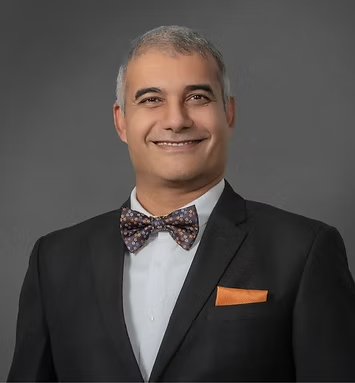
Dr. Ayat Bouzieh is an Assistant Professor at Institute of Nanotechnology in Jordan University of Science and Technology. Her research focuses on colloid and surface chemistry, nanomaterials applications, and preparation of polymeric nanocomposites for water treatment and sensing applications. Dr. Ayat Bouzieh is an Assistant Professor at Institute of Nanotechnology in Jordan University of Science and Technology (JORDAN) (Jan. 2019–now). She worked as a researcher at Hamdi Mango Center for Scientific research in The University of Jordan (JORDAN) (Sep. 2013 – Jan. 2019). She obtained her PhD degree in material science and applied physical chemistry from The University of Jordan in 2018. She is author or coauthors of approximately 40 scientific papers published on international Journals. Adding to that, as a researcher, she was and still involved in many research projects that are funded institutionally, governmentally and internationally. Also she was attended many international and national conferences, workshops and symposiums that were focused on scientific research purposes. At the beginning my research mainly focused on colloid and surface chemistry, started with the Phase diagram, surfactant, emulsion, microemulsion in colloid system, mainly on the descriptive of the behaviors of the three component systems of water oil and surfactant. Moving forward, I focused more in the application of physical chemistry and nanomaterials. I worked in a multi disciplinary research projects, this includes Characterization and Treatment of Dead Sea Mud, Treatment of olive mill wastewater using colloid and surface chemistry techniques, Conservation of cultural heritage (The Roman Nymphaeum in Amman) using colloid and nanomaterials, Preparation of biodegradable food packaging films, preparation of light weight material with enhanced mechanical properties using nanocomposite concepts. Preparation of Heterogenous nanocatalysis for textile wastewater treatment. Preparation of polymeric nanocomposite membranes and ceramic nanocomposite for water treatments. preparation of Double-Network Hydrogel for Strain Sensing Applications.
Prof. Ajeet Kaushik

Prof. Ajeet Kaushik

Professor at Florida Polytechnic University

Lakeland (FL), USA
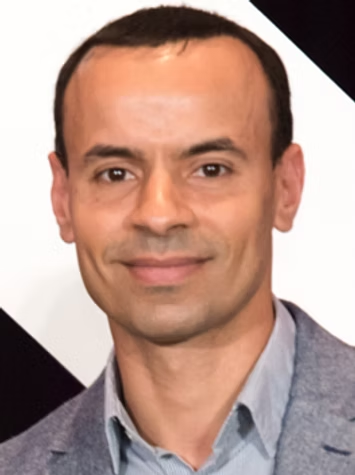
Ajeet Kaushik, Fellow-ICS & Fulbright Specialist, is an Associate Professor of Chemistry at Florida Polytechnic University. He explores nano-enabled technologies for health and environmental monitoring, with research interests in green chemistry, catalysis, drug delivery systems, and sensors. Ajeet Kaushik, Fellow-ICS & Fulbright Specialist, is an Associate Professor of Chemistry at the Department of Chemistry at Florida Polytechnic University, USA, and is exploring nano-enabled technologies for health and environmental monitoring. He is an accomplished scholar (supported by over 350 publications, editorial roles, 14 edited books, 4 patents, and international collaborations) and the recipient of several international awards in support of his credentials. His research interests include green chemistry, catalysis, drug delivery systems, electrochemistry, sensors, and point-of-care sensing for sustainable health and the environment. To achieve goals, Dr. Kaushik is focused on cutting-edge research and seeking collaborations.
Prof. Sidi A. Bencherif

Prof. Sidi A. Bencherif

Research Professor at French National Center for Scientific Research, CNRS

Paris, France
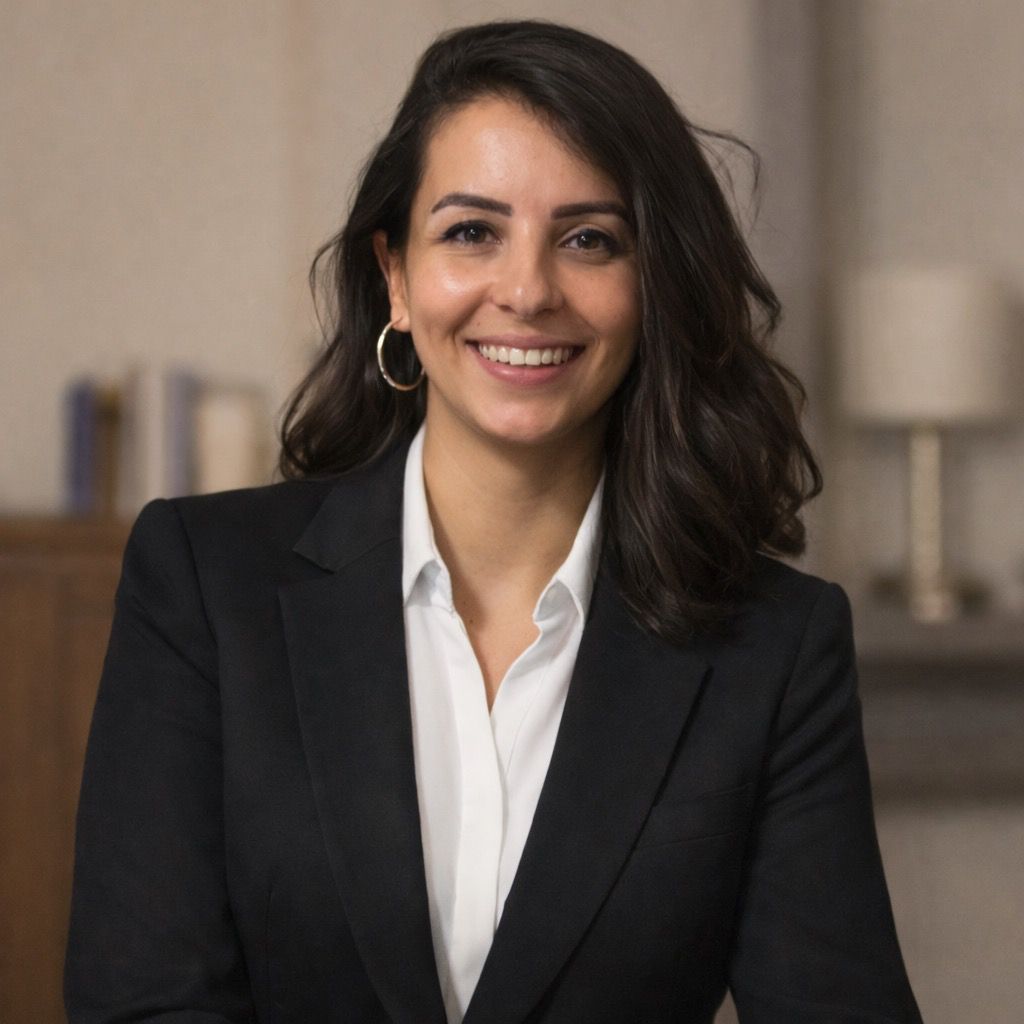
Sidi A. Bencherif is a senior researcher at CNRS and faculty-affiliated investigator at the University of Rouen Normandy. He is recognized as a pioneer in injectable cryogel technologies, with research focusing on advanced polymeric biomaterials for regenerative medicine and cancer immunotherapy. Sidi A. Bencherif, Ph.D., is a senior researcher at the French National Centre for Scientific Research (CNRS) and a faculty-affiliated investigator at the University of Rouen Normandy. He earned his Ph.D. in Chemistry from Carnegie Mellon University and completed postdoctoral training at Harvard University. His research focuses on the design and development of advanced polymeric biomaterials particularly injectable and macroporous cryogels for applications in regenerative medicine, controlled drug delivery, and cancer immunotherapy. His work bridges fundamental materials science with translational biomedical applications, and he is recognized as a pioneer in injectable cryogel technologies, which have been widely adopted in both academia and industry for diverse biomedical uses. Dr. Bencherif has authored over 100 peer-reviewed publications in leading journals, including Science, Nature Materials, Nature Communications, PNAS, Advanced Science, Bioactive Materials, and Biomaterials. His work has received over 14,000 citations (h-index: 50), and he is an inventor on 15 patents. He has been recognized among the world's top 2% of most-cited scientists (Stanford/Elsevier) and has received numerous prestigious honors and distinctions, including the U.S. NSF CAREER Award, ACS PMSE Young Investigator Award, ACS I&EC Influential Researcher Award, BMES-CMBE Rising Star Award, and, more recently, the Normandy "Chair of Excellence."
Prof. Sophie Lerouge

Prof. Seda Ceylan

Professor at Adana Alparslan Türkeş Science and Technology University

Adana, Turkey
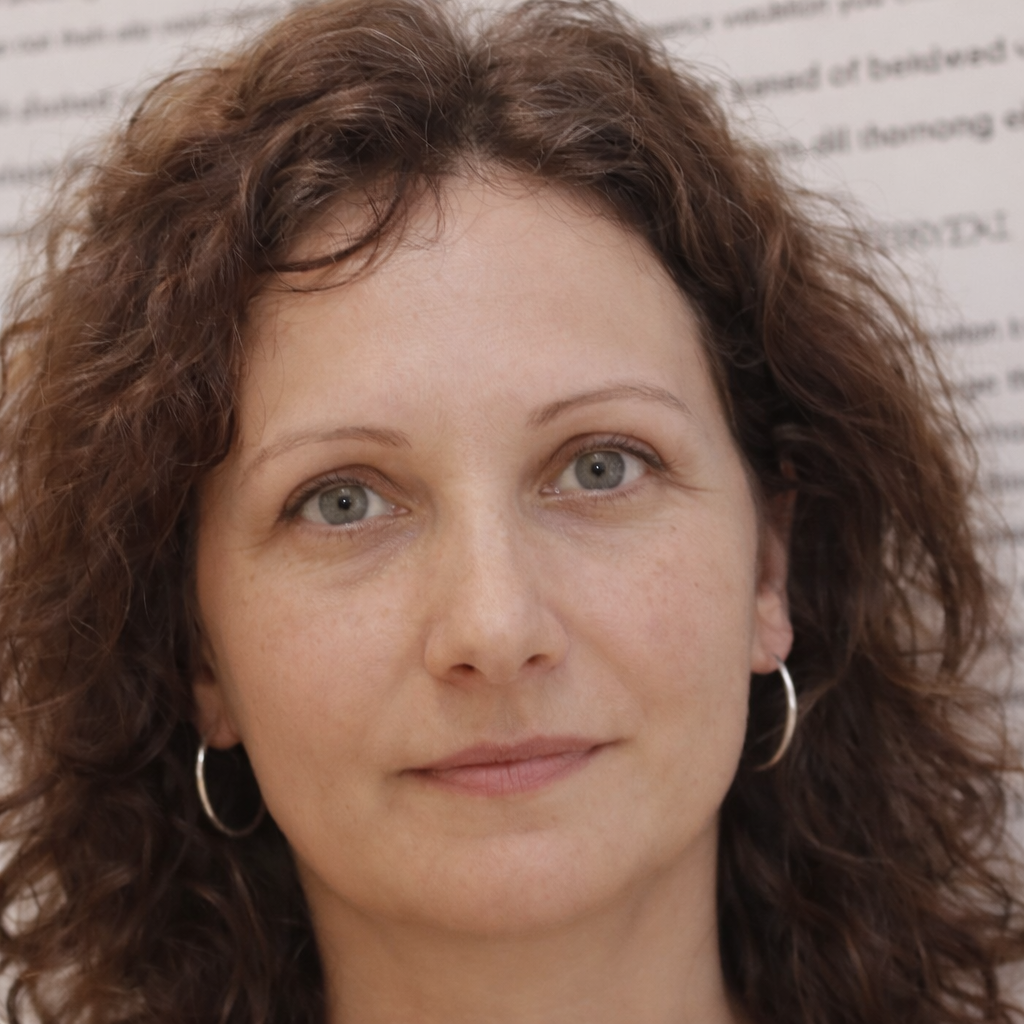
Prof. Seda Ceylan is a Professor at Adana Alparslan Türkeş Science and Technology University, Adana, Turkey. She received her Bachelor’s degree in Chemical Engineering from İzmir Institute of Technology, where she developed a strong multidisciplinary foundation in chemical engineering. She subsequently obtained her Master of Science and Ph.D. degrees in Chemical Engineering from Mersin University, Turkey. Prof. Seda Ceylan is a Professor at Adana Alparslan Türkeş Science and Technology University, Adana, Turkey. She received her Bachelor’s degree in Chemical Engineering from İzmir Institute of Technology, where she developed a strong multidisciplinary foundation in chemical engineering. She subsequently obtained her Master of Science and Ph.D. degrees in Chemical Engineering from Mersin University, Turkey.Her research expertise focuses on tissue engineering, with particular emphasis on the design, fabrication, and characterization of polymer-based hydrogel and cryogel systems, as well as electrospun and microsphere scaffolds for tissue engineering and biomedical applications. In 2023, she completed her postdoctoral research at the Department of Pharmacy and Bioengineering, Keele University, United Kingdom. She is currently an Academic Visitor at University College London (UCL), within the Division of 3D Models of Health and Disease, where she contributes to advanced research in biomaterials and biomedical engineering.
Prof. Sophie Lerouge

Dr. Adina Magdalena Musuc

Senior Researcher and Head of the Chemical Kinetics Department Institute of Physical Chemistry “Ilie Murgulescu”

Bucharest, Romania
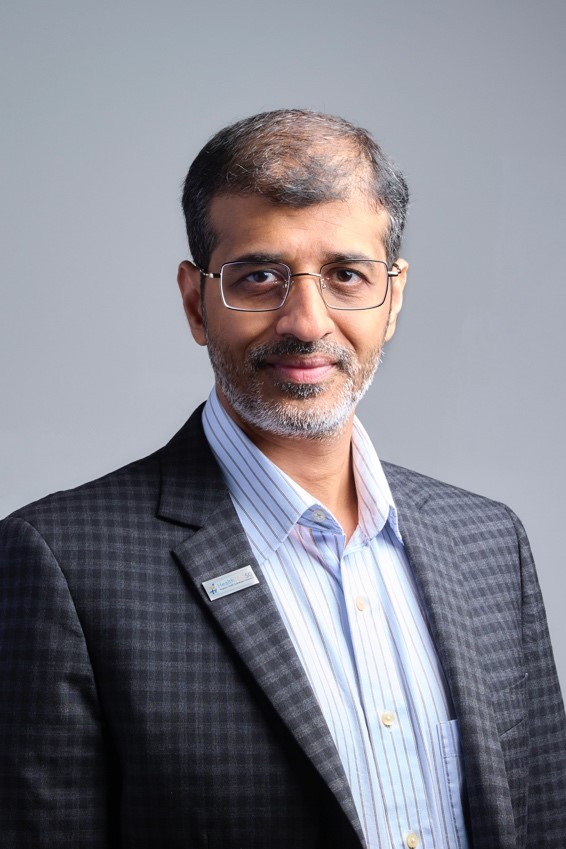
Dr. Habil. Adina Magdalena Musuc is a Senior Researcher 2nd degree and Head of the Chemical Kinetics Department at the Institute of Physical Chemistry - Ilie Murgulescu with over 25 years of experience in the field of chemistry. Dr. Habil. Adina Magdalena Musuc is a Senior Researcher 2nd degree and Head of the Chemical Kinetics Department at the Institute of Physical Chemistry - Ilie Murgulescu with over 25 years of experience in the field of chemistry. Dr. Musuc has been honored with prestigious awards, “Gheorghe Spacu” prize by Romanian Chemical Society and the “Nicolae Teclu” award by Romanian Academy. Dr. Musuc has authored over 110 articles in ISI-indexed journals and holds 3 invention patents, with 2 additional patent applications pending. Her research focuses on the development of biopolymer-based hydrogels for biomedical and food industries, pharmaceutical formulations, innovative composite methods for energy applications.
Prof. Sophie Lerouge

Prof. Ali Asgar Bhagat

- Director of the Singapore Health Technologies Consortium (HealthTEC.SG)
- Deputy Director (Translation) at the Institute for Health Innovation and Technology (iHealthtech)
- Associate Professor, Department of Biomedical Engineering, National University of Singapore (NUS)

Singapore
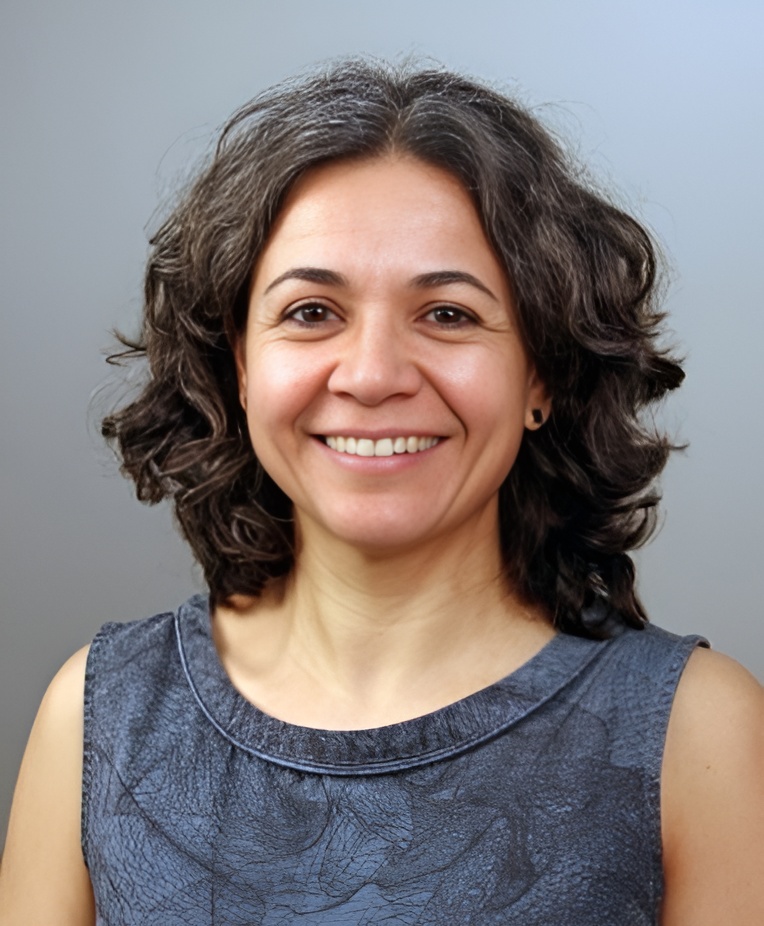
Ali Asgar Bhagat is Director of the Singapore Health Technologies Consortium (HealthTEC.SG), Deputy Director (Translation) at the Institute for Health Innovation and Technology (iHealthtech), and Associate Professor in the Department of Biomedical Engineering at the National University of Singapore (NUS). Ali Asgar Bhagat is Director of the Singapore Health Technologies Consortium (HealthTEC.SG), Deputy Director (Translation) at the Institute for Health Innovation and Technology (iHealthtech), and Associate Professor in the Department of Biomedical Engineering at the National University of Singapore (NUS). He leads the translation arm of iHealthtech, overseeing intellectual property strategy, technology development, commercialization, and strategic industry programs. He is also Academic Director of graduate education programmes at NUS Enterprise, where he develops initiatives and programs to train the next generation of deep-tech entrepreneurs. Prior to NUS, he was Principal Manager at Accelerate Technologies Pte Ltd, the commercialization arm of A*STAR, where he managed evaluation and commercialization of biomedical research outputs across multiple institutes. He previously served as Chief Operating Officer of Clearbridge Biomedics (now Embracing Future Holdings Ltd), an NUS spin-off focused on oncology diagnostics, where he led development of the ClearCell® platform and CTChips®. Earlier, he was a Research Scientist at the Singapore-MIT Alliance for Research and Technology (SMART) Centre. An inventor on numerous granted patents and author of peer-reviewed publications, his work focuses on translating deep-tech innovations from prototype to market. He received his MS and PhD in Electrical Engineering from the University of Cincinnati and previously held an Associate Scientist position at the Massachusetts Institute of Technology (MIT), USA.
Prof. Sophie Lerouge

Prof. Gloria Gallego-Ferrer

Professor at the Centre for Biomaterials and Tissue Engineering of the Polytechnic University of Valencia

Valencia, Spain
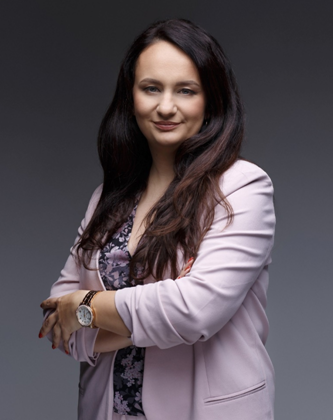
Prof. Gloria Gallego-Ferrer, PhD in Materials Engineering (2001, Spain), has 25 years of research experience in biomaterials and tissue engineering. She is Full Professor at the Centre for Biomaterials and Tissue Engineering of the Polytechnic University of Valencia in Spain. She is Group Leader of the Spanish Center for Biomedical Research in Network in Bioengineering, Biomaterials and Nanomedicine (Ciber-BBN). Prof. Gloria Gallego-Ferrer, PhD in Materials Engineering (2001, Spain), has 25 years of research experience in biomaterials and tissue engineering. She is Full Professor at the Centre for Biomaterials and Tissue Engineering of the Polytechnic University of Valencia in Spain. She is Group Leader of the Spanish Center for Biomedical Research in Network in Bioengineering, Biomaterials and Nanomedicine (Ciber-BBN). She has been visiting researcher on several occasions, highlighting her stay in 2004 at the University of Zagreb in Croatia with Prof. Marica Ivanković, and in 2009 at the 3Bs Research Group of the University of Minho in Portugal with Prof. Joao Mano. She is the author of about 118 JCR research articles (with more than 3250 citations and an h-index of 35, Scopus), 140 presentations in international congresses, and 25 invited talks. She has supervised 7 Postdoctoral Researchers (a recent Marie Curie-PF), 12 Doctoral Theses (+4 ongoing), and several researchers’ placements. She has participated in 66 projects, leading 27 of them (4 European) and 15 translational contracts (3 times PI). She holds 2 patents (+1 in process) and co-promoted a spin-off company (Metis Biomaterials S.L). Among her awards, the Accelerating Program at the Massachusetts Institute of Technology in Boston in 2016 is emphasized. She was Board Governor of the European Society for Artificial Organs during the years 2016 and 2022. She belongs to the Editorial Board of the journal Biomaterials Advances (from Elsevier).
Prof. Sophie Lerouge

Prof. Beata Kaczmarek-Szczepańska

Professor at Nicolaus Copernicus University in Torun

Torun, Poland
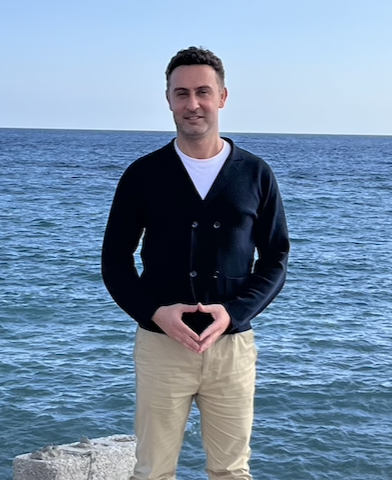
Dr. hab. Beata Kaczmarek-Szczepańska, Professor at Nicolaus Copernicus University (NCU), is a University Professor at the Laboratory for Functional Polymeric Materials, Faculty of Chemistry, Nicolaus Copernicus University in Toruń, Poland. She has published over 100 scientific papers in internationally recognized journals and has coordinated several research projects funded by the National Science Centre (NCN) and the National Centre for Research and Development (NCBR). Dr. hab. Beata Kaczmarek-Szczepańska, Professor at Nicolaus Copernicus University (NCU), is a University Professor at the Laboratory for Functional Polymeric Materials, Faculty of Chemistry, Nicolaus Copernicus University in Toruń, Poland. She has published over 100 scientific papers in internationally recognized journals and has coordinated several research projects funded by the National Science Centre (NCN) and the National Centre for Research and Development (NCBR). Her expertise lies in the preparation and characterization of polymer-based materials, primarily dedicated to wound healing applications and innovative cosmetic formulations. Dr. Kaczmarek-Szczepańska has completed numerous research internships in Ireland, Spain, Germany, Switzerland, Portugal, Serbia, and India, and maintains extensive international collaborations. In 2022, she received a scholarship from the Minister of Science and Higher Education (Poland). She has been listed among the world’s top 2% of scientists in her research field and ranked among the top 2% of the most cited scientists worldwide throughout their entire careers.
Prof. Sophie Lerouge

Prof. Alireza Dolatshahi-Pirouz

Professor at Technical University of Denmark,

Denmark
Alireza Dolatshahi‐Pirouz is a graduate in Physics & Astronomy and he received his Ph.D. in physics from Aarhus University in 2009 and then took on a postdoctoral‐research position at the Wyss Institute of Biologically Inspired Engineering and Harvard Medical School. Alireza Dolatshahi‐Pirouz is a graduate in Physics & Astronomy and he received his Ph.D. in physics from Aarhus University in 2009 and then took on a postdoctoral‐research position at the Wyss Institute of Biologically Inspired Engineering and Harvard Medical School. From 2015 he is working as an Assistant Professor at the Technical University of Denmark, Department of Health and Technology. Furthermore, in 2015 he started his own research group at DTU Nanotech; actually, he is group leader of the Biologically inspired material engineering (BioEngine) Laboratory. Its research lies at the crossroads of biology, engineering, physics, chemistry and biomaterials, where they work in the areas of bone tissue engineering, vascularisation of tissue engineered constructs and microarray studies. Currently he is working on developing new 3D environments for directing stem cells into tissue‐like structures and self‐healable and stretchable materials with high electrical sensitivity for applications within the emerging fields of flexible electronics, cyborganics, and soft robotics. To date he has published close to 120 papers, with his citations numbering 9811 and an h-index of 55 according to Google Scholar.
Prof. Sophie Lerouge

Dr. Juhaina Abu Ershaid

Assistant Professor at Isra University of Jordan

Jordan
Dr. Juhaina Abu Ershaid is an Assistant Professor of Pharmaceutical Technology and Drug Delivery at Isra University, Jordan. She earned her PhD from Queen’s University Belfast, UK, where she specialized in polymeric microneedle systems for transdermal drug delivery. Dr. Juhaina Abu Ershaid is an Assistant Professor of Pharmaceutical Technology and Drug Delivery at Isra University, Jordan. She earned her PhD from Queen’s University Belfast, UK, where she specialized in polymeric microneedle systems for transdermal drug delivery. Her research focuses on nanotechnology-based drug delivery, including microneedles, lipidic and polymeric nanocarriers, and cosmeceutical formulations. Her work aims to enhance localized therapy, improve drug efficacy, and reduce systemic side effects. Dr. Abu Ershaid has contributed to several research areas, including antimicrobial microneedles, nanoformulations, and emerging technologies such as 3D bioprinting and smart wound dressings. She has published in peer-reviewed journals and actively participates in scientific conferences and collaborations. In addition to her research, she is a dedicated educator and academic leader, teaching pharmaceutics and drug delivery courses, and leading initiatives that promote student innovation, entrepreneurship, and practical learning.
Prof. Sophie Lerouge

Dr. Stephen Gerard Gray

Founder & Business advisor

UK
Dr. Stephen Gerard Gray is the founder and CEO of NouBio Inc, A company that is scaling mass-market AI-enabled cell-based blood and therapies. Dr. Stephen Gerard Gray is the founder and CEO of NouBio Inc, A company that is scaling mass-market AI-enabled cell-based blood and therapies. He is also a founder and executive director of Ourobionics BV, a company merging human tissue with bioelectronic biosensors to create cyborganic human tissue. He is a PhD engineering alumnus from Imperial College London and an active mentor to entrepreneurial students at Massachusetts Institute of Technology.
Prof. Kattesh V. Katti

Prof. Kattesh V. Katti

University of Missouri, Columbia

USA

Professor Kattesh V. Katti is internationally recognized as the “Father of Green Nanotechnology” and a pioneering scientist whose groundbreaking contributions have transformed the fields of nanotechnology, nanomedicine, molecular imaging, radiopharmaceutical sciences, and biomedical engineering. Professor Kattesh V. Katti is internationally recognized as the “Father of Green Nanotechnology” and a pioneering scientist whose groundbreaking contributions have transformed the fields of nanotechnology, nanomedicine, molecular imaging, radiopharmaceutical sciences, and biomedical engineering. He currently serves as Distinguished Curators’ Professor of Radiology and Director of the Institute of Green Nanotechnology at the University of Missouri School of Medicine (USA). Prof. Katti is the founder of the revolutionary field of Nano-Ayurvedic Medicine, integrating Green Nanotechnology with traditional Ayurvedic principles to develop innovative therapeutic and diagnostic approaches. His pioneering discoveries have led to the development of advanced nanomedicines, cancer therapies, antimicrobial and antiviral agents, bio-nanomaterials, and molecular imaging technologies with significant clinical applications. A globally renowned innovator, Prof. Katti has authored more than 300 scientific publications, contributed to numerous books and reviews, and is the principal inventor of over 150 inventions and 50 patents. His scientific achievements have been recognized through prestigious international distinctions, including the International Hevesy Medal Award, one of the highest honors in Nuclear Medicine and Radiopharmaceutical Sciences. In 2026, he was named Top Innovator of the Year in Healthcare by the International Association of Top Professionals (IAOTP) in recognition of his exceptional contributions to healthcare innovation and translational research. His pioneering work has also received international recognition from leading scientific organizations, including the International Atomic Energy Agency (IAEA), the National Academy of Inventors (USA), and numerous scientific academies worldwide. Prof. Katti is a Fulbright Global Specialist, Fellow of multiple prestigious academies and professional societies, and has delivered more than 500 plenary, keynote, and invited lectures across the globe. His research continues to shape the future of sustainable nanotechnology, precision medicine, advanced biomaterials, and next-generation biomedical technologies.